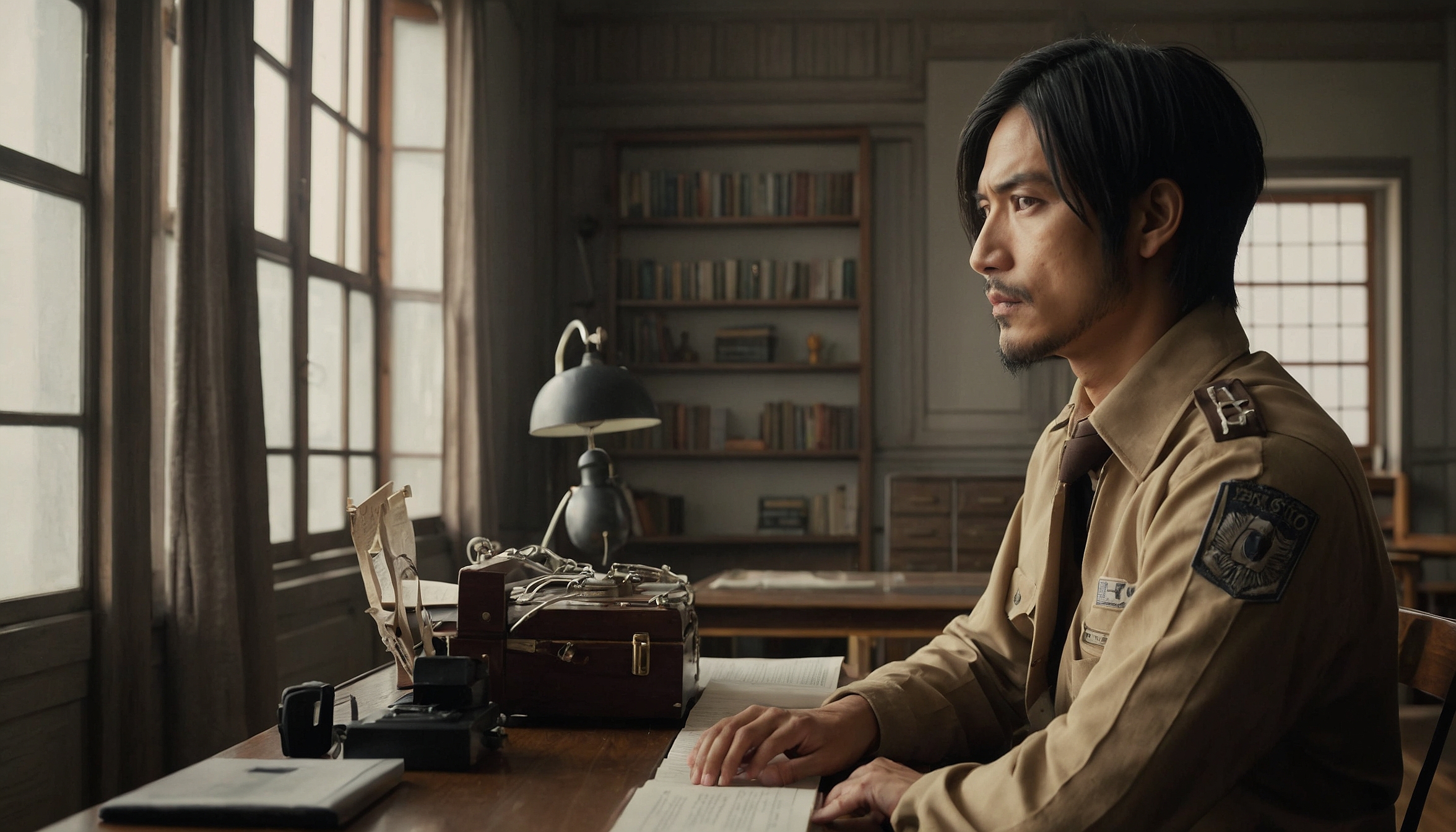
If you have found yourself searching for see you big see, you are likely trying to track down one of the most powerful compositions in modern anime history. Many fans mistakenly recall the title this way, but the track is officially titled “YouSeeBIGGIRL/T:T.” Composed by the legendary Hiroyuki Sawano for the Attack on Titan Season 2 soundtrack, this piece has become synonymous with the series’ most heart-wrenching and climactic revelations. Because the name is frequently misremembered, finding the correct version can be surprisingly difficult for new listeners.
We clarify the origins of this masterpiece and explore why it resonates so deeply with viewers worldwide. By examining the production style of Sawano, the narrative context behind the music, and where you can find the official track, you will understand exactly why this song remains a cornerstone of the Attack on Titan legacy.
What is ‘YouSeeBIGGIRL/T:T’?
Quick answer: YouSeeBIGGIRL/T:T is a monumental instrumental track composed by Hiroyuki Sawano for the Attack on Titan Season 2 soundtrack. Often misremembered by fans as “see you big see,” this piece is widely celebrated for its intense emotional build and pivotal role during the series’ most iconic reveals.
The confusion surrounding the name is common among new listeners who search for the track phonetically. While many people type “see you big see” into search engines, the official title is YouSeeBIGGIRL/T:T. This discrepancy often arises because the vocal performance is stylized and layered, making the English words difficult to distinguish for non-native speakers.
Origin of the title
The title reflects the unique naming conventions used by Hiroyuki Sawano throughout his career. In practice, the “T:T” suffix is widely interpreted by the community as an abbreviation for “Titan.” Moreover, the “YouSeeBIGGIRL” portion refers to the specific narrative beats of the show. It frequently underscores moments where characters confront the terrifying scale of the Titans, effectively capturing the sheer shock and horror of these encounters.
Consequently, fans often turn to platforms like Spotify to verify the track name. Despite the persistent misspelling, the song remains one of the most recognizable pieces in the entire franchise. Because of its popularity, it consistently appears in discussions across forums like Reddit, where users clarify the title to help newcomers find the correct version.
The composer’s vision
Hiroyuki Sawano is known for his ability to blend orchestral arrangements with electronic elements, creating a sound that feels both grand and intimate. In the case of this track, he aimed to build tension that mirrors the unpredictable nature of the series. The music does not just accompany the scene; it dictates the pacing of the emotional experience. It is a masterclass in tension, moving from quiet, haunting melodies to explosive, high-energy crescendos.
In addition, Sawano’s production style relies on heavy percussion and dramatic vocal chants to elevate the stakes of any given sequence. As a result, the track has transcended the anime itself to become a standalone piece of music that many fans listen to for its cinematic intensity. Even if a listener arrives at the track via an incorrect search for “see you big see,” they are quickly introduced to a sophisticated composition that defines the high-stakes atmosphere of the Attack on Titan narrative.
The Role of the Song in Attack on Titan
Quick answer: This iconic track serves as a pivotal emotional anchor in the series, famously elevating the tension during the betrayal of Reiner and Bertholdt. While many viewers search for it as see you big see, its actual function is to underscore the devastating shift from camaraderie to catastrophic conflict.
The Reiner and Bertholdt reveal
In practice, the music acts as a catalyst for one of the most memorable sequences in the entire franchise. When Reiner and Bertholdt reveal their true identities atop the Wall, the composition transitions from a somber melody into an aggressive, high-energy anthem. Consequently, the music forces the audience to confront the reality of their betrayal alongside the characters on screen.
Moreover, the synchronization between the orchestral swells and the shifting perspectives of the characters creates a visceral experience. As a result, the track has become inseparable from the visual storytelling of that specific episode. Fans often discuss the complexity of this scene, noting how the audio production shifts the viewer’s focus toward the unfolding disaster.
Emotional weight of the scene
Above all, the song carries significant emotional weight because it represents the collapse of the scouts’ trust. The track does not simply provide background noise; it actively participates in the narrative arc by highlighting the desperation of the protagonists. For instance, the vocal layers add a haunting quality that mirrors the internal turmoil of Eren Yeager as he processes the revelation.
Still, some listeners find the title confusing, leading to the persistent misspelling of “see you big see.” Despite this, the composition remains a hallmark of the Attack on Titan soundscape. The track continues to be used as a reference point for how music can dictate the pacing of an intense anime sequence.
In addition, the production style reflects the composer’s ability to blend orchestral arrangements with electronic elements. It effectively bridges the gap between traditional cinematic scores and modern action soundtracks. By maintaining this high level of intensity, the piece ensures that the gravity of the betrayal is felt in every frame. It stands as a masterclass in using sound to elevate the stakes of a story, proving that the right melody can change the entire tone of a pivotal moment.
Is ‘YouSeeBIGGIRL’ Related to ‘Vogel im Käfig’?
Quick answer: While often called “Vogel im Käfig 2.0” by fans, the two tracks are distinct compositions within the Attack on Titan universe. However, they share a clear musical DNA. Both tracks utilize Hiroyuki Sawano’s signature tension-building style, featuring dramatic vocal layers and rhythmic motifs that define the show’s most intense narrative turning points.
Musical motifs
At the core of this comparison is the recurring use of specific melodic structures that Hiroyuki Sawano employs to signal high-stakes drama. Listeners often notice that both tracks rely on a slow, building introduction that gradually introduces orchestral elements and synthesized textures. As a result, the auditory experience feels familiar to those who grew up watching the series from its earliest episodes.
In practice, the connection is more about the composer’s consistent stylistic approach than a direct musical copy. For example, both pieces employ a “crescendo of despair,” where the intensity of the music mirrors the overwhelming situation on screen. Even if you mistakenly search for “see you big see,” you will likely find forums comparing these two tracks because of their shared ability to evoke a sense of inevitable tragedy.
Evolution of the sound
Moreover, many enthusiasts argue that the track represents a maturation of the sound established in the first season. While “Vogel im Käfig” captures the initial shock of the titans’ presence, the later composition reflects the more complex, layered betrayals found in the second season. Therefore, it is natural for the audience to perceive a lineage between them, as they serve similar functions during climactic reveals.
On the other hand, it is important to distinguish that these are unique entries in the official soundtrack. The evolution is visible in how the instrumentation becomes more aggressive and varied in the newer piece. The production quality highlights a shift toward a more cinematic and expansive soundscape, which solidified Sawano’s reputation in the anime industry. The underlying emotional weight remains consistent, linking the two tracks in the hearts of fans who follow the series’ development.
Ultimately, whether you refer to it as the “see you big see” track or by its official title, the comparison to “Vogel im Käfig” is a testament to the composer’s mastery. By maintaining these recurring motifs, the music helps create a cohesive auditory world. Consequently, the tracks continue to define the most memorable moments of the entire narrative arc.
Analyzing the Lyrics and Language
Quick answer: The track features a complex blend of German and English vocal layers that contribute to its haunting atmosphere. While many fans search for it as “see you big see,” the official lyrics utilize multilingual phrasing to emphasize the themes of struggle and the inevitability of death within the narrative.
Language breakdown
The composition is renowned for its strategic use of language, which elevates the tension during pivotal scenes. Hiroyuki Sawano often integrates German phrases into his work to reflect the European-inspired setting of the series. In this specific piece, the lyrics oscillate between languages to build a sense of urgency. As a result, the vocal delivery feels both ancient and immediate, mirroring the cyclical nature of the conflict depicted on screen.
Moreover, the title itself often leads to confusion, as listeners attempt to transcribe what they hear. This linguistic layering is a hallmark of Sawano’s production style. For example, the official lyrics provide clarity on the specific verses used, though the phonetic interpretation by international audiences remains varied. This explains why phrases like “see you big see” frequently appear in search trends as fans try to make sense of the auditory experience.
Vocal performance
The vocal performance is not merely a background element but a core instrument that drives the emotional trajectory of the track. The singers employ a dramatic, choir-like intensity that complements the orchestral swells. Consequently, the music feels grander than standard background scores, effectively capturing the sheer scale of the Titans.
In practice, the balance between the soft, melodic openings and the aggressive, shouting vocal sections creates a jarring yet effective contrast. This shift in intensity aligns perfectly with the pacing of the animation. Furthermore, the lyrical structure supports the narrative arc, providing a sense of tragic weight that resonates with the audience long after the scene ends. By blending these diverse vocal textures, the composer ensures the piece remains a standout in the soundtrack.
Why Fans Search for ‘See You Big See’
Quick answer: The query “see you big see” is a phonetic misinterpretation of the official track title YouSeeBIGGIRL/T:T. Because the song features powerful, fast-paced vocal layers, listeners often struggle to distinguish the exact lyrics or the stylized title, leading them to search for the phrase as they hear it.
Common misspellings
Language barriers and the unique naming conventions used by Hiroyuki Sawano contribute significantly to this confusion. The title itself is a dense compound of English words, which many casual listeners process phonetically rather than visually. As a result, when fans search for “see you big see,” they are simply trying to locate the track based on their auditory memory of the chorus.
Moreover, the structure of the song—which builds from a soft, melodic start to a chaotic, high-energy climax—distracts the listener from reading the track metadata. In practice, most people encounter the song within the context of a dramatic anime scene. Therefore, they associate the emotional impact of the moment with a misunderstood phrase rather than the technical name provided on streaming platforms.
SEO impact of fan queries
The prevalence of this specific misspelling highlights how community-driven language shapes search trends. When thousands of users type “see you big see” into search engines, it creates a feedback loop. This search behavior often leads users to forums like Reddit, where other fans clarify the actual title and discuss the lyrical depth of the piece.
In addition, search engines have become adept at bridging this gap by redirecting users to the correct content. While the misspelling is technically incorrect, it serves as a gateway for new fans to discover the official soundtrack. They learn the intended title while exploring the broader discography of the composer. Consequently, the confusion acts as a digital signpost, connecting curious listeners to the correct, high-quality audio sources.
Finally, this phenomenon demonstrates the power of emotional resonance in music. Fans do not search for the track because they are looking for technical accuracy; they search because the song left a lasting impression. Regardless of the spelling, the intent remains the same: to reconnect with a piece of music that defined a major narrative turning point in their favorite series.
The Impact of Hiroyuki Sawano’s Music
Quick answer: Hiroyuki Sawano has revolutionized anime music by blending orchestral grandeur with electronic beats and intense vocal tracks. His work on Attack on Titan elevates dramatic tension, turning key scenes into unforgettable cinematic experiences. This signature style has earned him global acclaim and a dedicated international fan base.
Sawano’s career
Understanding the composer’s background reveals why his music sounds so distinct from traditional orchestral scores. Hiroyuki Sawano began his career in television dramas and anime during the mid-2000s, quickly establishing a reputation for high-energy, cinematic compositions that feel larger than life.
For example, his work on major franchises like Mobile Suit Gundam UC demonstrated an unmatched ability to blend heavy brass arrangements with modern electronic synthesizers. This hybrid approach became his signature, setting a new standard for how action-heavy anime should sound.
His unorthodox track naming conventions often lead fans to search for his music using phonetic interpretations. When listeners look up the frantic choral arrangements of his tracks, they sometimes type “see you big see” to find his discography.
Signature production style
Moreover, his production style relies heavily on the “Sawano Drop,” a dramatic musical build-up followed by a sudden, explosive release of sound. This technique maximizes the emotional impact during critical narrative shifts, leaving audiences completely breathless.
He frequently collaborates with talented vocalists to layer German, English, and Japanese lyrics over heavy percussion. You can analyze these complex lyrical structures on Genius to see how they mirror the show’s dark themes.
On the other hand, his studio production techniques involve meticulous mixing that balances vocal clarity with intense instrumental backdrops. This careful balancing act is highly evident when listening to his official releases on Spotify, where every instrument shines.
His soundtracks function as more than simple background accompaniment; they act as a narrative force that defines the identity of the series. This unique style ensures that his compositions remain memorable long after the final credits roll.
Where to Listen to the Soundtrack
Quick answer: You can officially stream the iconic track through major digital platforms like Spotify or purchase physical copies of the original soundtrack. While many fans search for the song using the term “see you big see,” the official title remains YouSeeBIGGIRL/T:T.
Spotify and streaming platforms
For most listeners, digital streaming platforms provide the most accessible way to experience Hiroyuki Sawano’s work. You can find the track on Spotify, where it is cataloged as part of the official Attack on Titan Season 2 soundtrack. Streaming services allow you to add the piece to personal playlists, making it easy to revisit the intense atmosphere whenever you choose.
Moreover, these platforms ensure that you are supporting the original artists and production team. If you find yourself searching for “see you big see,” simply inputting the correct title into the search bar of your preferred app will lead you directly to the high-fidelity version of the composition. As a result, you avoid the lower-quality audio often found on unauthorized video uploads.
Physical OST availability
In addition to digital options, physical media offers a distinct experience for collectors and audiophiles. Many enthusiasts prefer owning the physical CD release to appreciate the album artwork and the complete tracklist as the composer intended. These physical editions often contain liner notes that provide further insight into the production process of the music featured in the anime.
On the other hand, finding physical copies can sometimes be a challenge depending on your region, as these are often imported from Japan. Still, several dedicated online retailers specialize in anime soundtracks, providing reliable shipping for international fans. Once you have the physical disc, you can rip the files in a lossless format to preserve the intricate details of Sawano’s arrangement for your personal archives.
Therefore, whether you choose to stream the music or collect the physical media, ensuring you access the official release is essential. By sticking to authorized channels, you contribute to the ongoing success of the franchise’s music department. In practice, this commitment to official sources ensures that the legacy of tracks like YouSeeBIGGIRL/T:T continues to thrive within the global community.
Community Discussions and Fan Theories
Quick answer: The track often misremembered as “see you big see” sparks endless debate within the anime community. Fans frequently analyze its placement during pivotal plot twists, while others dissect the cryptic title and its potential ties to earlier musical motifs found throughout the series’ expansive soundtrack.
Fan interpretations
The online community, particularly on platforms like Reddit, has spent years attempting to decode the specific intent behind the title. Many viewers argue that the phrase relates directly to the reveal of the Female Titan, while others maintain it signifies the broader scale of the conflict. Because the composition is so complex, listeners often project their own emotional experiences onto the track, creating a diverse range of theories regarding its true narrative purpose.
Moreover, the misspelling of the track as “see you big see” has become a recognizable inside joke. Instead of dismissing these errors, the community often uses them to welcome new fans into the fandom. This shared confusion serves as a gateway for veterans to explain the nuances of Hiroyuki Sawano’s work, effectively turning a simple search mistake into a deeper conversation about the show’s lore.
Ongoing debates
A major point of contention involves the song’s relationship to earlier compositions. Enthusiasts frequently compare it to other high-tension tracks, leading to heated discussions about whether it serves as a direct evolution or a thematic departure. In practice, these debates highlight how deeply the audience engages with the background music; for many, the soundtrack is just as important as the animation itself.
In addition, the ambiguity of the title continues to fuel speculation. Some fans believe the “T:T” suffix stands for “Titan,” while others suggest it refers to specific characters or locations. Even after the series concluded, these discussions remain active. Consequently, the track retains its status as a central pillar of the fandom’s collective memory. Above all, the willingness of the community to analyze every note demonstrates the lasting impact of Sawano’s creative vision on the global anime landscape.
Next step
Now that you understand the context behind the track often misidentified as “see you big see,” you can better appreciate the craftsmanship of Hiroyuki Sawano. The next time you rewatch Attack on Titan, pay close attention to how the music shapes your emotional response during those key scenes. If you enjoyed this breakdown, share it with other fans who might be confused by the track’s title, and continue exploring the vast, high-stakes soundscapes of the anime world.